




The Complete 510 Battery Voltage Settings Guide:
How to Get the Best Hit Every Time
Stop burning your oil and wasting your cart. Learn exactly which voltage to use — then grab the battery built to nail it.
Why Voltage Settings Are the Difference Between a Great Hit and a Wasted Cart
Variable Voltage That Actually Shows
A clear LED indicator means you always know your setting — no guessing, no trial-and-error button mashing.
Preheat Mode for Thick Oils
A double-click preheat warms dense distillate before you pull — the feature power users specifically seek out.
USB-C Charging, No Dongles
Charge with the same cable as your phone. No proprietary charger to lose, no dead battery when you need it most.
Pocket-Ready, Session-Ready
Slim enough to disappear in a pocket, powerful enough to last through multiple sessions without a recharge hunt.
The Problem: Wrong Voltage Ruins Carts and Wastes Money
Running a 510 cart at the wrong voltage is the single most common reason for burnt hits, wasted oil, and dead coils — and it’s almost always preventable with the right settings knowledge.
If you’ve ever taken a pull that tasted like scorched plastic, watched your oil bubble and darken, or found a half-full cart that just stopped hitting right — voltage is almost certainly the culprit. The stakes are real: premium concentrate carts aren’t cheap, and a battery stuck on the wrong setting will destroy the terpene profile, burn out the coil, and leave you with a cartridge that’s functionally dead long before it should be.
On the flip side, running too low a voltage on a thick distillate cart means the oil never warms up enough to vaporize efficiently — you get weak, unsatisfying draws and the frustrating experience of a full cart that feels empty. Getting voltage right isn’t a minor tweak. It’s the entire game.
510 Battery Voltage Settings Explained: What the Numbers Mean
510 battery voltage settings typically range from 1.8V to 4.2V. Lower voltages (1.8V–2.6V) preserve flavor; mid-range (2.6V–3.4V) balances vapor and taste; high (3.4V–4.2V) delivers dense clouds for thick oils.
Most variable voltage 510 batteries give you three to five steps across that range. Each step changes how much power hits the cart’s heating coil, which directly controls vapor temperature, density, and flavor. Here’s how to think about each tier:
| Voltage Range | Best For | What You Get | Watch Out For |
|---|---|---|---|
| 1.8V – 2.4V | Live resin, full-spectrum, high-terpene carts | Maximum flavor, smooth cool vapor | May feel thin on thick distillate |
| 2.4V – 2.8V | Balanced distillate, live resin, most standard carts | Good flavor + visible vapor Sweet Spot | — |
| 2.8V – 3.4V | Standard distillate, CO₂ oil, ceramic coil carts | Denser hits, warmer vapor, stronger effect | Can start to mute delicate terpenes |
| 3.4V – 4.2V | Thick distillate, high-viscosity oil, stubborn carts | Maximum vapor production, powerful draws | Risk of burning coil if oil is thin |
Why Most People Default to the Highest Setting (And Why That’s a Mistake)
The instinct when a cart isn’t hitting hard enough is to crank voltage to max. That works short-term on thick oil, but on a thin or medium-viscosity cart it’s a fast track to a burnt coil and a ruined terpene profile. Start low, pull slow, and step up only if you’re not getting enough vapor. You can always go higher — you can’t un-burn a coil.
Preheat Mode: The Setting Most People Don’t Know They Need
Preheat (typically activated by two quick clicks) runs a brief low-power warm-up cycle before your draw. For thick distillate carts — especially in cold weather — this is the difference between a clogged cart that barely pulls and one that hits cleanly from the first draw. It’s one of the most consistently requested features among serious concentrate users, and it’s the right first step before you even think about bumping voltage.
How to Dial In Your Voltage by Cart Type
Match your voltage to your oil’s viscosity and extraction type: start at 2.4V for live resin and terpene-rich carts, 2.8V for standard distillate, and use preheat plus 3.2V–3.8V for thick, high-viscosity distillate that won’t pull at lower settings.
Live Resin & Full-Spectrum Carts
These carts are packed with volatile terpenes that vaporize at lower temperatures. High voltage vaporizes those terpenes before you inhale them — you’re left with a flat, harsh hit instead of the complex flavor you paid for. Keep it at 1.8V–2.6V, pull slowly, and let the cart do the work. If the oil is very thin and the cart floods, try a quick preheat at the lowest setting to clear it, then drop back down.
Standard Distillate Carts
The most common cart type — medium viscosity, ceramic or cotton wick coil, reliable across a wide voltage range. Start at 2.6V–3.0V and adjust based on how warm you want the vapor. Most users land in the 2.8V range as their everyday setting. If the cart is new and the oil hasn’t settled, use preheat first.
Thick Distillate / High-Viscosity Oil
Dense oil needs real heat to vaporize. Start with preheat, then pull at 3.2V–3.8V. If you’re still not getting enough vapor, step up to 4.0V — but watch the taste. A metallic or acrid flavor is a warning sign that you’ve crossed into coil-burning territory. Back off a step immediately.
Reading the Signs: Is Your Voltage Too High or Too Low?
- Too low: Weak, thin vapor; cart feels clogged; oil visible but not vaporizing; no warmth in the draw.
- Too high: Harsh, burnt taste; dark discoloration of oil near the coil; crackle/pop sounds; throat irritation.
- Just right: Smooth, consistent vapor; full flavor; comfortable warmth; oil level drops evenly.
The Battery Itself Matters as Much as the Setting
A voltage setting is only as reliable as the battery delivering it. Inconsistent heat output, poor charge retention, and dead-on-arrival units are the most common complaints in the 510 battery category — and they make even a perfect voltage setting useless.
Here’s the reality that doesn’t get talked about enough: you can memorize every voltage chart on the internet, but if your battery isn’t delivering consistent power to the coil, your settings mean nothing. Unit-to-unit inconsistency — where one battery heats instantly and another barely warms up at the same setting — is one of the most frustrating experiences in this category. It makes you think you’re doing something wrong when the battery is the actual problem.
Battery capacity is the other silent killer. A battery that can’t hold a charge through a full session forces you to either vape while plugged in (inconvenient) or constantly recharge (annoying). The best voltage knowledge in the world doesn’t help if the battery dies mid-session.
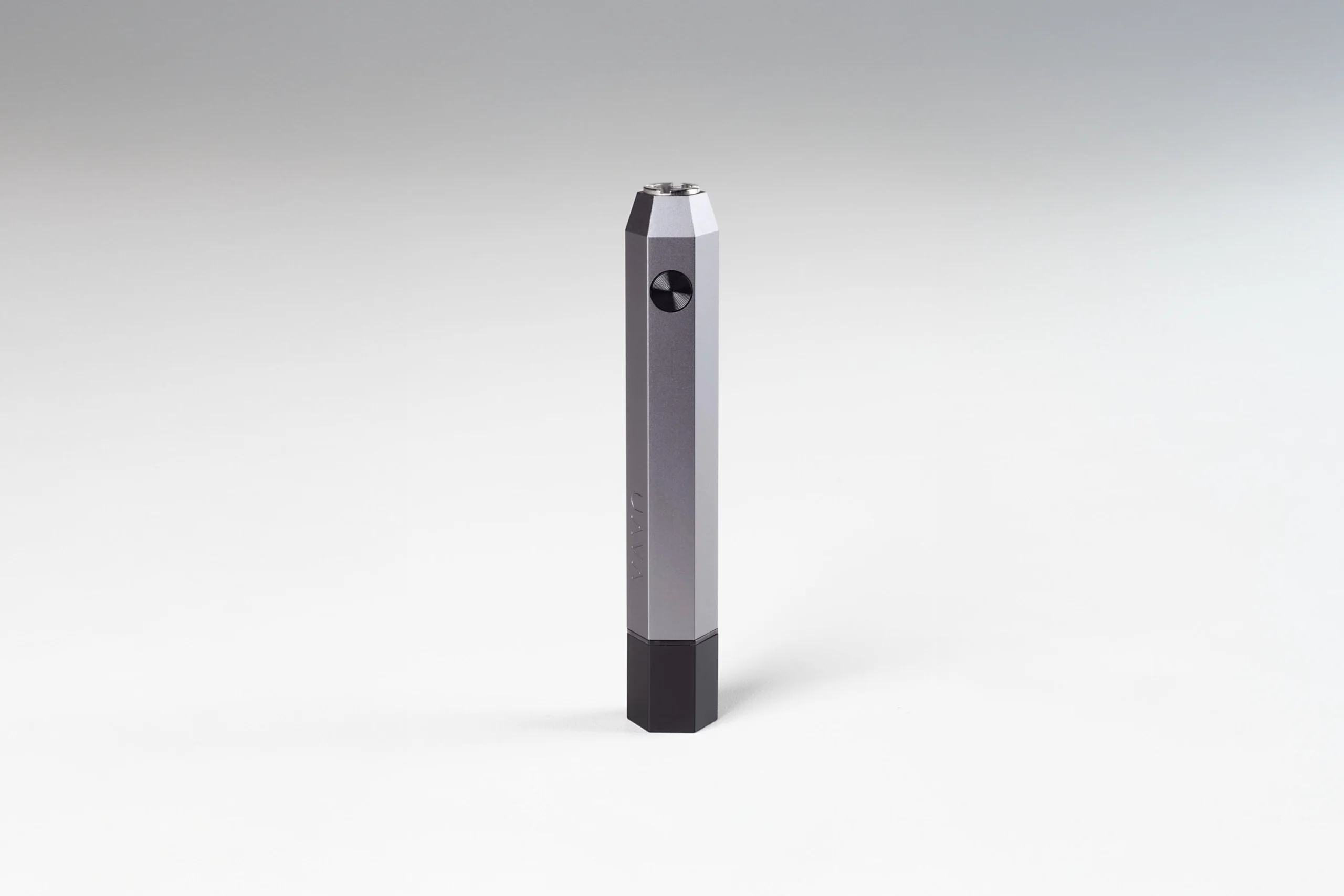
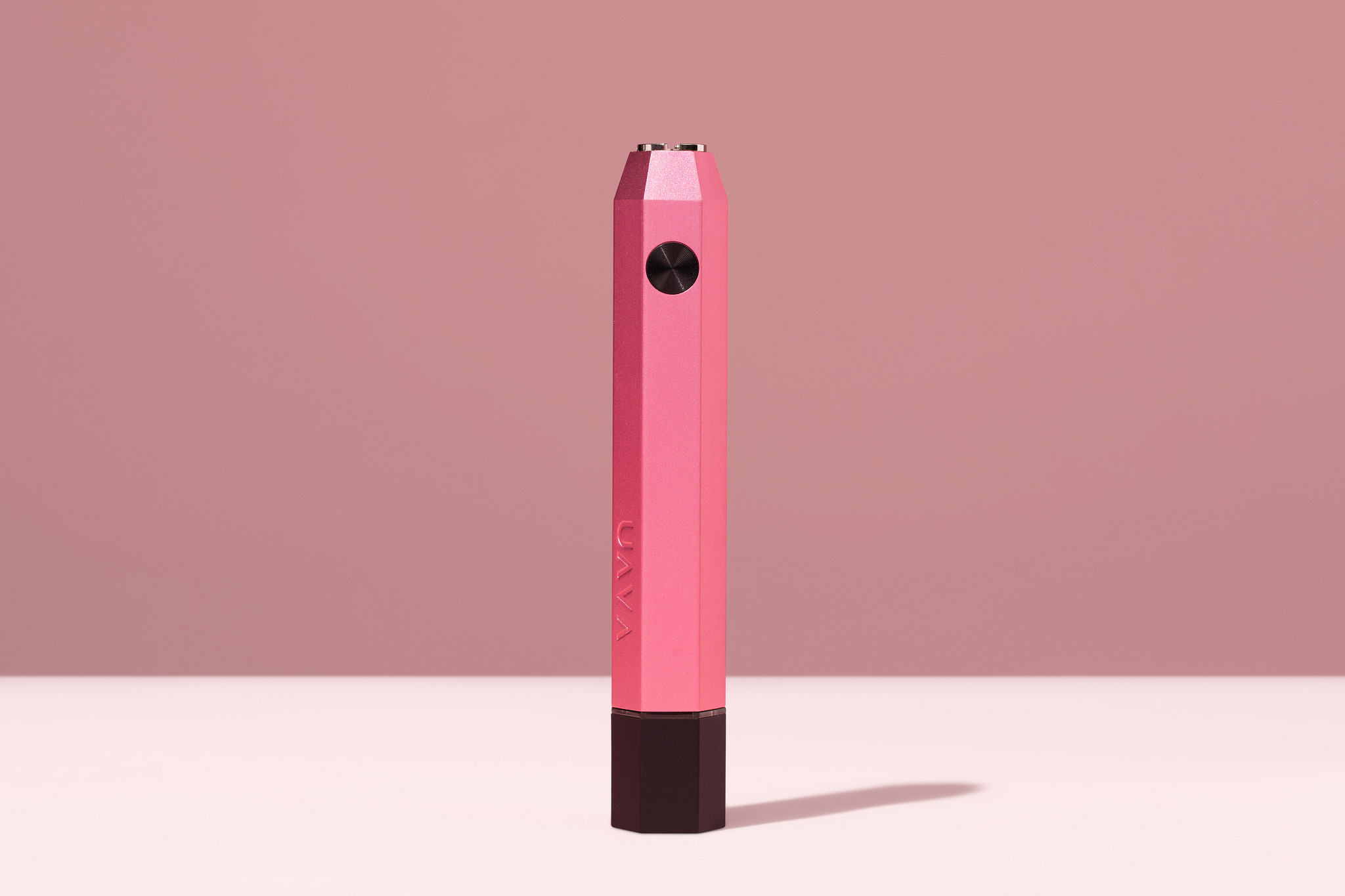
This is why UAVA Labs built The UAVA and The UAVA Pink around the features that actually matter for consistent performance: reliable variable voltage with a clear display so you always know your setting, USB-C charging so you’re never hunting for a proprietary dongle, and a compact form factor that doesn’t sacrifice battery life for size.
Why Concentrate Users Trust UAVA Labs
The 510 battery category has a trust problem. Buyers have been burned — sometimes literally — by batteries that fail in days, arrive dead, or deliver wildly inconsistent heat. UAVA Labs was built to be the answer to that frustration.
Consistent Heat, Every Pull
Inconsistent heat output is the #1 functional complaint in the category. UAVA batteries are designed to deliver the voltage you set — not a vague approximation of it.
USB-C: The Charger You Already Have
No proprietary charging dongle to lose. Plug in with the same cable as your phone — the most requested feature among serious 510 users, built in as standard.
Preheat Built In
Double-click preheat mode warms thick oil before your draw — a feature power users specifically seek out and one that makes every cart perform better.
Slim Enough to Disappear
Pocket-friendly and discreet without sacrificing session length. Built for real-world portability, not just a spec sheet.
The Batteries Built to Nail Every Voltage Setting
The UAVA
The flagship 510 thread battery — variable voltage with a clear LED display, preheat mode, USB-C charging, and a slim build made for all-day carry. Reliable performance for every cart type.
The UAVA Pink
All the performance of The UAVA — variable voltage, preheat mode, USB-C — in a bold colorway that stands out. Same reliable 510 thread battery, different energy.
510 Battery Voltage Settings: Frequently Asked Questions
What voltage should I use for a 510 cart?
For most standard distillate carts, start at 2.6V–3.0V and adjust from there. Live resin and high-terpene carts perform best at lower voltages (1.8V–2.6V) to preserve flavor. Thick, high-viscosity distillate may need 3.2V–3.8V plus a preheat cycle to vaporize properly. The golden rule: start low, step up slowly, and stop if you taste anything burnt.
What happens if I use too high a voltage on my 510 cart?
Too high a voltage burns the oil before it can vaporize properly, destroying the terpene profile and producing a harsh, acrid taste. It also accelerates coil degradation — a burnt coil can’t be fixed, and it will ruin the rest of the oil in the cart. If you get a metallic or plastic-like taste, drop your voltage immediately and use preheat mode instead of cranking the heat.
What does preheat mode do on a 510 battery, and when should I use it?
Preheat mode runs a short, low-power warm-up cycle (usually activated by two quick clicks) that gently heats thick oil before you take a draw. It’s especially useful for dense distillate carts, carts that have been sitting in cold temperatures, or any cart that feels clogged. Use preheat first before raising your voltage — it often solves the problem without needing to go higher.
How do I change the voltage on a 510 battery?
On most variable voltage 510 batteries, you cycle through voltage settings by clicking the button a set number of times — commonly three clicks to change voltage, five clicks to power on or off, and two clicks for preheat. The LED indicator (or display) changes color or number to show the current setting. If you’re unsure, a quick button test: click three times and watch the indicator change. Always check that the battery is powered on first (five clicks).
Why does my 510 cart hit differently at the same voltage on different batteries?
Unit-to-unit inconsistency in heat output is one of the most common complaints in the 510 battery category. Cheap batteries often can’t deliver their rated voltage consistently — the coil gets less power than the setting claims, or the power fluctuates mid-draw. This is why build quality matters: a reliable battery delivers consistent voltage every time, so your settings actually mean something.
Does a higher voltage mean a stronger effect from my cart?
Higher voltage produces more vapor per draw, which can feel more intense — but it’s not simply “more voltage = stronger effect.” Excessive heat degrades cannabinoids and terpenes before you inhale them, which can actually reduce the effectiveness of the oil while making the experience harsher. The goal is efficient vaporization at the right temperature for your specific oil, not maximum heat. Find the voltage where vapor is full and flavor is clean — that’s your optimal setting.
You Know the Settings. Now Get the Battery That Delivers Them.
Variable voltage, preheat mode, USB-C charging, and a slim build that goes everywhere you do. This is The New Way To Wax.