




510 Threaded Battery vs. Proprietary Vape Battery: Which Should You Buy?
The honest, concentrate-focused breakdown — so you never get locked into the wrong ecosystem again.
- Universal Compatibility510-thread is the industry standard — works with virtually every concentrate cart on the market, no adapters needed.
- USB-C ChargingCharge with the same cable as your phone. No proprietary dongles to lose, no dead battery at the wrong moment.
- Variable Voltage + PreheatDial in your exact temp for any oil thickness — from delicate live resin to dense distillate — with a preheat mode built in.
- Pocket-Ready Form FactorSlim, discreet, and light enough for any pocket or bag — without sacrificing session-length battery life.
Head-to-Head: 510 Threaded vs. Proprietary Vape Batteries
Short answer: 510-thread batteries work with nearly every cart brand and give you full control over voltage and charging. Proprietary batteries lock you into one brand’s ecosystem — which can be convenient but costly and limiting.
| Criteria | 510 Threaded Battery ✓ | Proprietary Battery |
|---|---|---|
| Cart Compatibility | Works with virtually any 510-thread cart | Only works with brand’s own carts |
| Charging | USB-C (universal, widely available) | Often proprietary charger or magnetic puck |
| Voltage Control | Variable voltage (user-adjustable) | Usually fixed or limited presets |
| Preheat Mode | Common feature on quality 510 batteries | Rare; brand-dependent |
| Long-Term Cost | Lower — shop any cart brand for deals | Higher — locked to one brand’s pricing |
| Form Factor | Wide variety: pen, box mod, palm-style | Fixed by manufacturer |
| Replacement / Repair | Easy to replace; parts widely available | Dependent on brand support / warranty |
| Cart Selection Freedom | Any dispensary, any brand | Limited to compatible product line |
The Case for 510 Threaded Batteries
510-thread is the dominant standard in the concentrate cart industry. The vast majority of pre-filled cartridges sold at dispensaries and online use a 510-thread connection — meaning one quality battery works everywhere.
Universal Compatibility Is the Biggest Win
The “510” in 510-thread refers to the threading specification (10 threads at 0.5 mm pitch) that became the de facto standard for vape hardware. Because virtually every cart manufacturer — from budget to premium — builds to this spec, a single 510 battery gives you access to the entire market. You’re never stuck buying a specific brand’s cart just because that’s what your battery supports.
For concentrate users who shop different dispensaries, try new brands, or travel between legal markets, this compatibility is genuinely invaluable. You pick the oil; the battery follows.
Variable Voltage Matters More Than Most People Realize
Different concentrate formulations — live resin, distillate, rosin, CO₂ oil — have different viscosities and optimal vaporization temperatures. A battery that only fires at one fixed voltage is a compromise for every oil that isn’t perfectly matched to it. Quality 510 batteries offer adjustable voltage (commonly 2.0V–4.2V) so you can run a low, flavorful pull on a terpene-rich live resin cart or push higher voltage through a thick distillate that needs more heat to flow.
The preheat function — typically activated by two quick clicks — is especially useful for thick oils in cold environments, warming the oil gently before your pull so you’re not fighting a clogged cart or getting harsh vapor from an overheated coil.
USB-C Charging: The Feature Buyers Demand Most
Across concentrate cart battery reviews, USB-C charging is consistently the single most requested feature — and for good reason. A proprietary magnetic charger or legacy micro-USB dongle is one more thing to lose, one more cable to carry, and one more point of failure. USB-C means you charge your battery with the same cable as your phone, laptop, or earbuds. It’s a small thing that makes a meaningful daily difference.
Trade-Offs to Know
- Quality varies widely. The 510 standard is open, which means the market ranges from well-engineered batteries to cheap units that fail in days. Build quality, internal cell capacity, and QC consistency differ enormously between manufacturers. Durability and reliable heat output are the category’s most common complaints — which is exactly why choosing a battery from a brand that prioritizes construction matters.
- More options = more decisions. If you want a plug-and-play experience with no settings to think about, the variety of 510 options can feel like too much. That said, most quality 510 batteries are intuitive once you understand the button interface.
- Pen-style batteries can be slippery. Slim form factors are popular for portability, but a smooth metal finish can slip. Look for textured or coated finishes if grip is a priority.
The Case for Proprietary Vape Batteries
Proprietary vape systems — where the battery and cartridge are designed exclusively for each other — can offer a seamless, optimized experience, but at the cost of flexibility, long-term value, and cart selection freedom.
Where Proprietary Systems Shine
The strongest argument for a proprietary system is integration. When a manufacturer controls both the battery and the cartridge, they can optimize the two components together — matching coil resistance, airflow, and power delivery precisely. Some proprietary systems also offer auto-draw (no button) and magnetic snap-in connections that feel more polished out of the box.
For a consumer who only ever uses one brand’s carts and values simplicity above all else, a proprietary system can be genuinely convenient — assuming the brand’s carts are consistently available in their market.
The Real Costs of Lock-In
- Cart availability. If your dispensary stops stocking that brand — or you travel to a different market — your battery becomes useless. You’re at the mercy of one company’s distribution.
- Pricing leverage. When you can only use one brand’s carts, that brand has no incentive to compete on price. 510 users can shop around for the best deals on any compatible cart.
- Charger dependency. Many proprietary systems use magnetic or brand-specific chargers. Lose it, and you’re waiting on a replacement to ship — or paying a premium for it.
- Voltage inflexibility. Most proprietary batteries fire at a fixed or narrowly adjustable voltage, which means you’re accepting whatever temperature the manufacturer decided is “right” for every oil type — including ones their system wasn’t designed for.
- Replacement difficulty. If the battery fails — a common complaint across the category — you’re dependent on that brand’s warranty process and support quality, rather than simply picking up a replacement from any vape retailer.
Who Should Consider a Proprietary System?
Honestly? Very few concentrate users. The only scenario where proprietary makes clear sense is if you’re deeply loyal to a single cart brand that has its own optimized hardware, that brand’s carts are reliably available everywhere you shop, and you genuinely never want to try anything else. For most people — especially those who shop multiple dispensaries or want flexibility — that’s a rare situation.
Verdict: Which Should You Buy?
For the vast majority of concentrate cart users, a quality 510-thread battery is the right choice — and it’s not particularly close. The universal compatibility, USB-C charging, adjustable voltage, preheat functionality, and freedom to shop any cart brand make 510 the objectively more flexible and cost-effective ecosystem.
Proprietary systems make sense only in a narrow set of circumstances — deep brand loyalty, guaranteed local availability, and a preference for zero-configuration simplicity. For everyone else, lock-in is a liability, not a feature.
The one place where 510 users need to be selective: build quality. The open standard means cheap units flood the market. The right move is choosing a 510 battery from a brand that prioritizes real durability, consistent heat output, and a reliable internal cell — not just the lowest price.
Why Build Quality Is the Only Thing That Actually Matters
The concentrate cart battery category has a trust problem. Across forums and review platforms, the most common complaints aren’t about features — they’re about batteries that stop working after a few weeks, units that never heat consistently, and internal cells that can’t hold a charge through a single day. These aren’t edge cases; they’re the category’s defining failure mode.
Consistent Heat Output
Unit-to-unit heating inconsistency is a real category problem. A reliable 510 battery should fire predictably at every voltage setting — every time, not just sometimes.
Battery Capacity That Lasts
An undersized internal cell that needs daily recharging defeats the purpose of a portable battery. Look for a battery designed to last multiple sessions between charges.
USB-C — No Excuses
In a world where USB-C is universal, a proprietary charging dongle is a design failure. UAVA batteries charge via USB-C — the cable you already carry.
Controls That Make Sense
Confusing multi-click interfaces that require trial and error to change voltage are a solvable problem. Clear, intuitive controls mean you spend time enjoying your session, not troubleshooting your battery.
UAVA Labs 510 Threaded Batteries
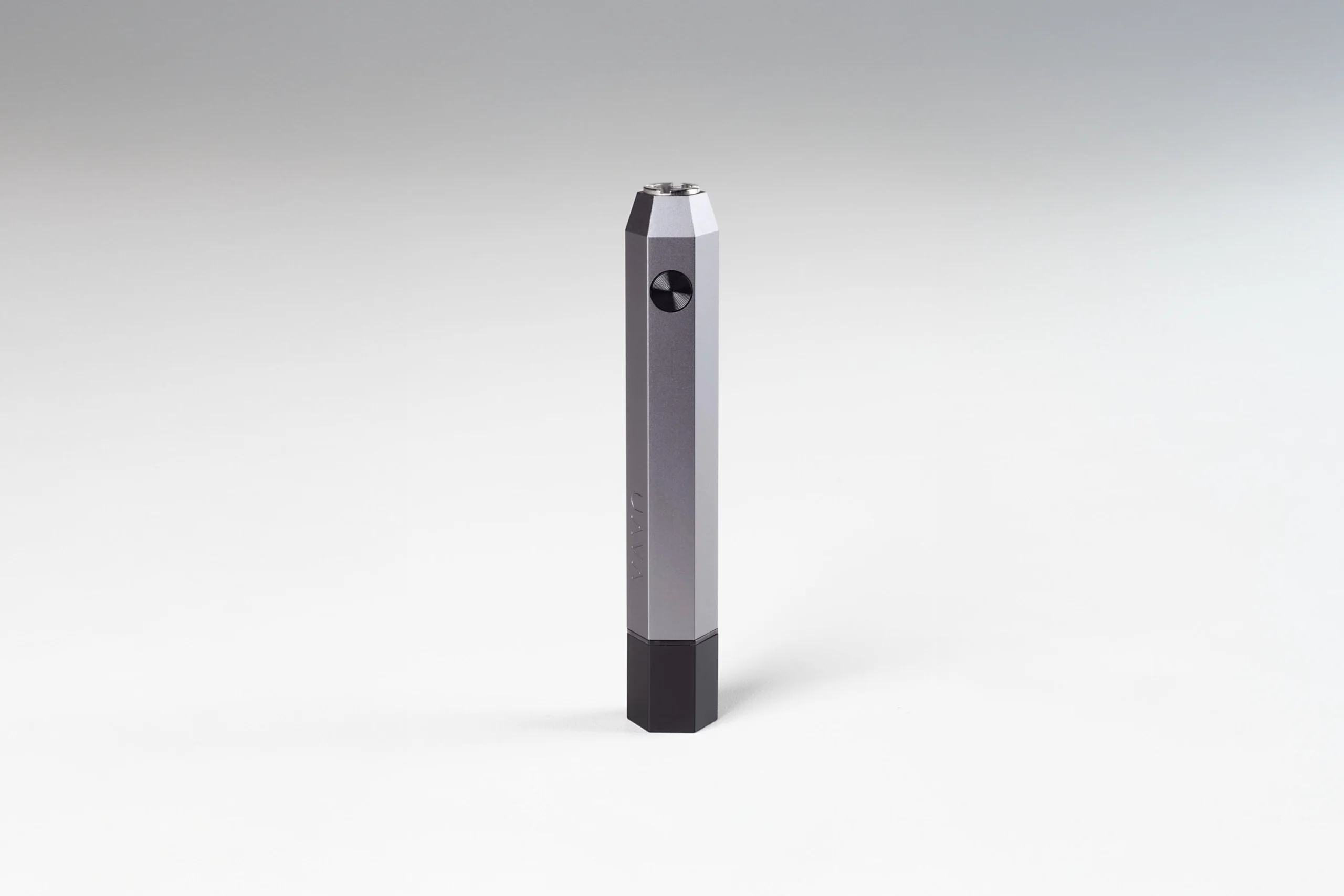
The UAVA
A premium 510-thread battery engineered for concentrate cart users who demand reliable power, variable voltage, and a pocket-ready form factor. USB-C charged. Built to last.
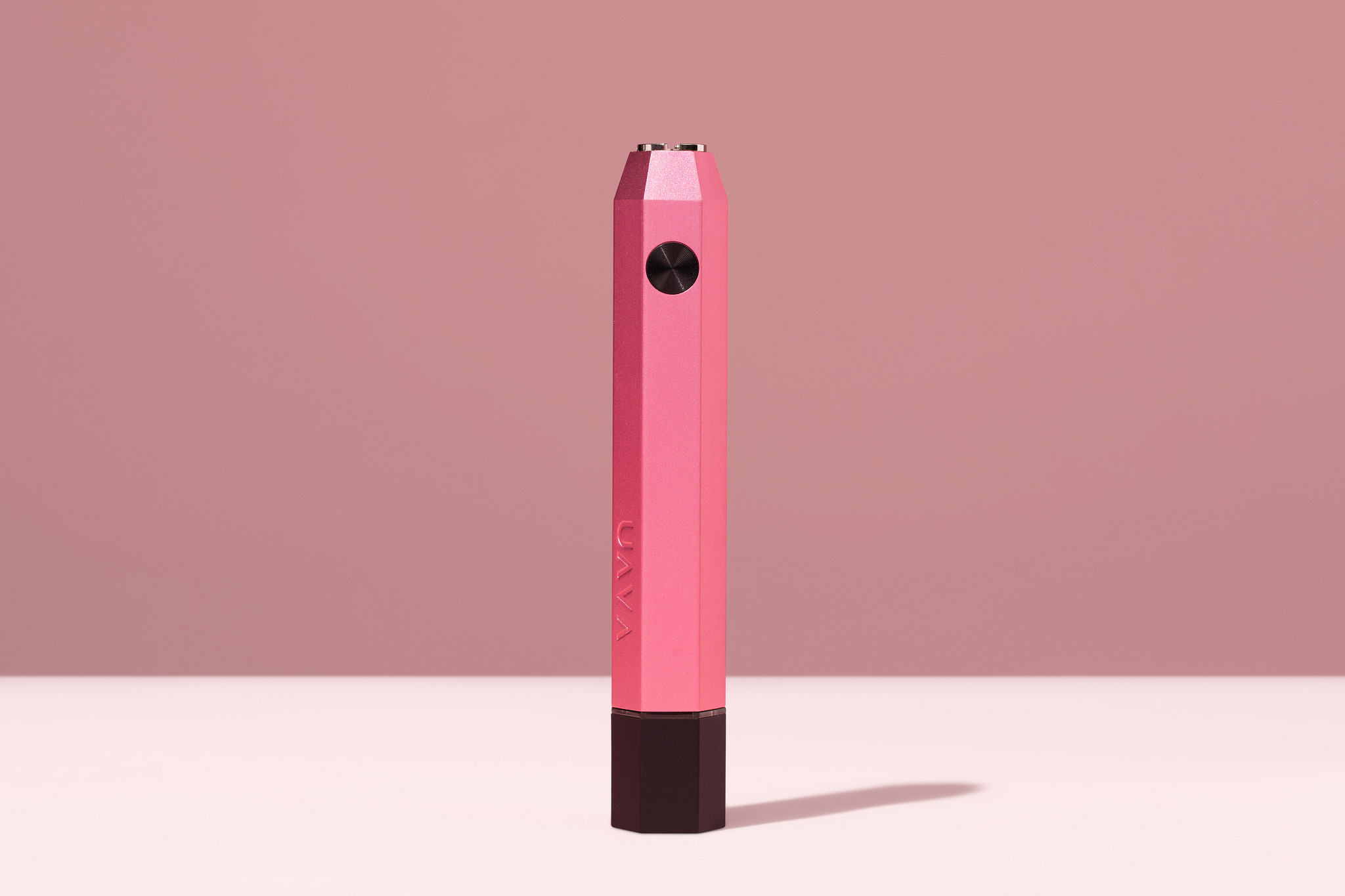
The UAVA Pink
All the performance of The UAVA — variable voltage, preheat mode, USB-C charging, universal 510 compatibility — in a bold pink colorway that stands out without sacrificing discretion.
Frequently Asked Questions
What does “510 thread” actually mean on a vape battery?
510 thread refers to a specific threading specification — 10 threads at a 0.5 mm pitch — that became the dominant standard for vape cartridge connections. Because the vast majority of pre-filled concentrate cartridges are built to this spec, a 510-thread battery is compatible with nearly every cart sold at dispensaries and online, regardless of brand.
Can I use any 510 cart with a 510 threaded battery?
Yes — that’s the core advantage of the 510 standard. If a cartridge has a 510-thread connection (which the overwhelming majority do), it will physically thread onto and fire from any 510-thread battery. You’re not locked into any brand’s ecosystem. Always verify the cart’s thread type, but in practice, 510-on-510 compatibility is nearly universal in the concentrate market.
Why do so many cheap 510 batteries fail quickly?
The 510 standard is open, which means any manufacturer can produce a 510-thread battery without meeting a quality threshold. The market is flooded with units built around undersized internal cells, inconsistent heating elements, and minimal quality control. Early failure — within days to a couple of months — is the category’s most common complaint. The solution is choosing a battery from a brand that prioritizes build quality and consistent manufacturing rather than the lowest possible price point.
Is a proprietary vape battery ever worth it over a 510?
In rare circumstances — specifically if you’re deeply loyal to a single cart brand that makes its own optimized hardware and those carts are reliably available everywhere you shop. For most concentrate users, proprietary lock-in is a liability: it limits your cart selection, often means a proprietary charger you can lose, and removes the flexibility to shop for the best deals across brands. The 510 standard wins for flexibility and long-term value in the vast majority of use cases.
What voltage should I use for concentrate cartridges?
It depends on the oil type. Terpene-rich live resin and rosin carts typically perform best at lower voltages (around 2.0V–2.8V) to preserve flavor. Thicker distillate carts often need more heat — 3.0V–4.0V — to flow and vaporize properly. A variable-voltage 510 battery lets you dial in the right setting for each cart rather than accepting a fixed temperature that’s a compromise for every oil type. Preheat mode (usually activated by two quick button presses) is especially useful for thick oils or cold environments.
Do UAVA Labs batteries use USB-C charging?
Yes. Both The UAVA and The UAVA Pink charge via USB-C — the same standard connector used by modern smartphones, laptops, and earbuds. No proprietary charging dongles, no extra cables to carry. It’s one of the features concentrate cart users consistently ask for, and it’s built into both UAVA batteries.
Ready to Go 510 — and Stay There?
Stop replacing batteries that fail in weeks. The UAVA and UAVA Pink are built for concentrate users who want reliable power, USB-C charging, and the freedom to use any cart they choose.